Physical Therapy North Vancouver

Physical Therapy North Vancouver

Injury recovery

Our goal is to create a comprehensive, multidisciplinary approach to care that addresses all your needs in a holistic manner. Next, meet Dr. Learn more about Physical Therapy North Vancouver here In recognizing the uniqueness of each patient's journey, we design personalized care plans that directly align with your specific health goals and needs.

Physical Therapy North Vancouver - Physiotherapy for postural imbalances

  • Physiotherapy assessments
  • Physiotherapy techniques
  • Physiotherapy for ligament injuries
  • Rehabilitation services
  • Physiotherapy for carpal tunnel
  • Physiotherapy for post-stroke recovery
  • Physiotherapy for sciatica
  • Physiotherapy for pain relief
  • Women's health physiotherapy
  • Physiotherapist for scoliosis
  • Shoulder rehabilitation
  • Post-surgery physiotherapy
  • Joint pain physiotherapy
  • Physiotherapy services
  • Physiotherapy for tennis elbow
  • Physiotherapist for hip pain
  • Physiotherapy for chronic conditions
This is complemented by education on lifestyle changes that can help prevent future issues.
Moreover, Easy Allied Health's professionals are committed to empowering you with knowledge and skills. Recognizing the importance of receiving timely and effective treatment, scheduling your physiotherapy appointments is streamlined and hassle-free.

Physical Therapy North Vancouver - Physiotherapy techniques

  1. Physiotherapy consultation
  2. Physiotherapy clinic
  3. Physiotherapy clinic reviews
  4. Physiotherapy for foot pain
  5. Physiotherapy for TMJ
  6. Senior physiotherapy
  7. Physiotherapy assessments
  8. Physiotherapy techniques
  9. Physiotherapy for ligament injuries
  10. Rehabilitation services
  11. Physiotherapy for carpal tunnel
  12. Physiotherapy for post-stroke recovery
  13. Physiotherapy for sciatica
  14. Physiotherapy for pain relief
  15. Women's health physiotherapy
  16. Physiotherapist for scoliosis
  17. Shoulder rehabilitation
This approach ensures that the solutions aren't only effective but also sustainable, keeping you active and healthy in the long run.
Their approach ensures your body heals optimally, enhancing both your physical and mental well-being. Learn more about Easy Allied Health - North Vancouver Physiotherapy, Massage Therapy and Chiropractor here. Chiropractic care, on the other hand, focuses on the diagnosis and treatment of neuromuscular disorders, with an emphasis on treatment through manual adjustment and/or manipulation of the spine. You deserve accessible, expert care, and that's exactly what we're aiming to provide.
You don't have to navigate a maze of forms or wait on hold forever. Our team of professionals is ready to bring the same high-quality care right to your doorstep. You've shared how chronic pain that once clouded your days has now been significantly reduced, allowing you to enjoy life's simple pleasures again.

This approach ensures that you're not only getting immediate relief but also learning to make choices that prevent future issues.

Physical Therapy North Vancouver - Physiotherapy clinic reviews

  1. Physiotherapy services
  2. Physiotherapy for tennis elbow
  3. Physiotherapist for hip pain
  4. Physiotherapy for chronic conditions
  5. Health and wellness physiotherapy
  6. Physiotherapist reviews
  7. Physiotherapy for post-operative care
  8. Rehabilitation services
  9. Physiotherapy for carpal tunnel
  10. Physiotherapy for post-stroke recovery
  11. Physiotherapy for sciatica
  12. Physiotherapy for pain relief
  13. Women's health physiotherapy
  14. Physiotherapist for scoliosis
  15. Shoulder rehabilitation
  16. Post-surgery physiotherapy
  17. Joint pain physiotherapy
  18. Physiotherapy services
It's about setting realistic expectations and celebrating progress, no matter how small. Sports injury rehabilitation Building on these success stories, our commitment to your journey doesn't end after initial recovery; ongoing support and care are paramount to us. We're here to guide you every step of the way, making sure you've got the tools and knowledge to maintain and improve your health.

It doesn't stop there; our pediatric services ensure that even the youngest members of your family receive the care they need in a supportive and understanding environment. If your schedule changes, rescheduling is hassle-free, emphasizing the service's commitment to patient-centered care. These are the real-life outcomes many have experienced at Easy Allied Health.

He's helped countless athletes get back to their peak performance quickly and safely. You'll find that our physiotherapists are committed to staying at the forefront of their field, regularly participating in continuing education and adopting the latest evidence-based practices. We're also planning to host free community workshops on injury prevention and healthy living, because we believe in empowering you with the knowledge to maintain your wellbeing.

Just give them a call, and a friendly staff member will assist you in setting up your appointment. A few months in, and he's not just back at his desk; he's also resumed his weekend hiking adventures, pain-free. When you're looking for top-notch physiotherapy and chiropractic services, you don't just want anyone.

Physiotherapy clinic

Physiotherapy Clinic Near Me North Vancouver

In the 1880s, Arthur Heywood-Lonsdale and a relation James Pemberton Fell, made substantial investments through their company, Lonsdale Estates, and in 1882 he financed the Moodyville investments. Several locations in the North Vancouver area are named after Lonsdale and his family.

North Vancouver Wellness and Physiotherapy Clinic

Nearby Tourist Attractions

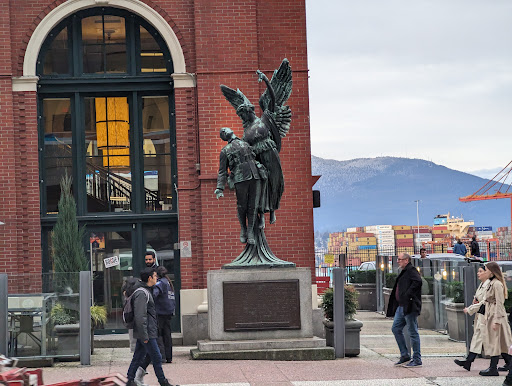
Statue Commemorate Serve To Canada

Downtown Vancouver
Tourist attraction
Statue Commemorate Serve To Canada, Vancouver, BC V6B 5C6

Barclay Heritage Square Park

Central Vancouver
Tourist attraction, Park
Barclay Heritage Square Park, 1433 Barclay St, Vancouver, BC
Serene, grassy park with benches & garden spaces amid quaint, colorful Victorian houses.

Stanley Park Seawall

Central Vancouver
Tourist attraction, Scenic spot
Stanley Park Seawall, Stanley Park Dr, Vancouver, BC V6G 3E2


North Vancouver Physiotherapy for Posture Correction

Citations and other links

Physical Therapy North Vancouver Wellness and Physiotherapy Clinic

Thanks to targeted massage therapy and chiropractic care, he's back to building dreams without missing a beat. We've also embraced virtual reality (VR) physiotherapy, offering a unique way to engage in your rehabilitation exercises. Moreover, being in a familiar environment can significantly enhance the therapeutic process. Moreover, the introduction of virtual reality (VR) in rehabilitation is a game-changer.
Moreover, this holistic method fosters a deeper understanding of your body. Her holistic approach not only addresses your symptoms but also targets the root cause of your discomfort. This allows us to make adjustments to your treatment plan on the fly, ensuring you're always on the most direct path to recovery.
Then, select the date and time that best fits your schedule. Supporting them is a diverse team of health professionals, including massage therapists and occupational therapists, each bringing their specialized skills to enhance your recovery process. Easy Allied Health's approach to integrated care offers you a seamless journey towards recovery, ensuring every aspect of your treatment works together to accelerate healing and enhance your quality of life. Read more about Physical Therapy North Vancouver here
If you prefer a more personal touch, you're welcome to give us a call. It's not just about managing pain but reclaiming your life and the activities you love. This move could revolutionize how you and your loved ones receive treatment, making it more personalized and accessible than ever before.
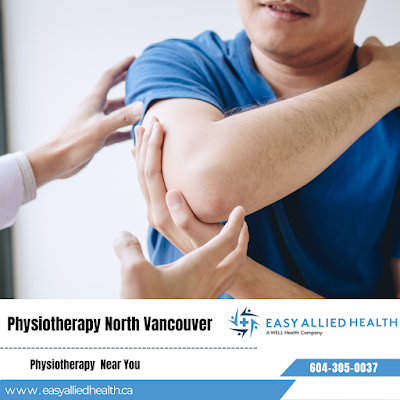
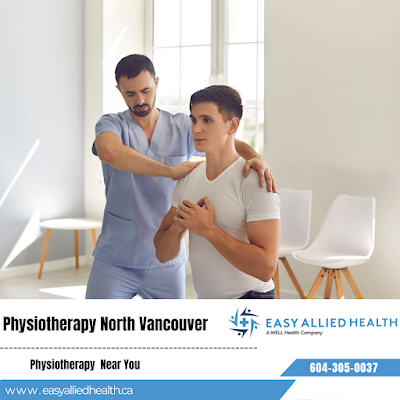
Hands-on physiotherapy
Physical Therapy North Vancouver Wellness and Physiotherapy Clinic
Rehabilitation Therapy Physical Therapy North Vancouver

Rehabilitation Therapy Physical Therapy North Vancouver

It's your body, and you have the right to understand every aspect of your treatment.

Physical Therapy North Vancouver - Pediatric physiotherapist

  • Physiotherapy for post-stroke recovery
  • Physiotherapy for sciatica
  • Physiotherapy for pain relief
  • Women's health physiotherapy
  • Physiotherapist for scoliosis
  • Shoulder rehabilitation
  • Post-surgery physiotherapy
  • Joint pain physiotherapy
  • Physiotherapy services
  • Physiotherapy for tennis elbow
  • Physiotherapist for hip pain
  • Physiotherapy for chronic conditions
  • Health and wellness physiotherapy
  • Physiotherapist reviews
  • Physiotherapy for post-operative care
  • Pediatric physiotherapist
  • Sports injury rehabilitation
  • Physiotherapy for tendon injuries
  • Hands-on physiotherapy
  • Physiotherapy for mobility issues
They've streamlined the process, ensuring you don't have to wait weeks or even months to start your treatment. Building on the foundation of a holistic health journey, innovative physiotherapy approaches in Physical Therapy North Vancouver are setting new standards for personalized care and rehabilitation. They're integrating innovative technologies and methodologies that are reshaping the landscape of allied health care, ensuring you receive the best possible outcomes. Let our expert team help you get back to doing what you love, pain-free and stronger than ever.

Our goal is to not only address your current concerns but also to prevent future issues. James appreciated the convenience of scheduling appointments around his busy lifestyle, which made sticking to his treatment plan a breeze. At Easy Allied Health, we're at the forefront of implementing advanced treatment techniques to enhance your recovery process. After your initial treatments, you'll find that recovery doesn't just stop when symptoms improve.

Easy Allied Health integrates various therapies and practices to ensure that every aspect of your health is addressed. Easy Allied Health has made it their mission to ensure that accessing physiotherapy services in Physical Therapy North Vancouver isn't only easy but also tailored to meet the demands of your lifestyle. You're able to book your sessions online, at your convenience, making it easier to plan your health care around your life, not the other way around. Musculoskeletal assessments are a cornerstone of what we offer, ensuring a thorough understanding of your condition.

You're living in an area with a diverse population, each with its own set of health concerns and lifestyle aspirations. We've made sure it's user-friendly, so scheduling your visit is hassle-free. When you walk into our clinic, you're greeted by staff who understand that your journey to recovery is personal. This approach doesn't just alleviate pain; it also tackles the root cause, offering a more sustainable solution.

Rehabilitation services

Physical Therapy North Vancouver physiotherapy clinic for knee pain

We'll adjust your treatments and exercises based on your feedback and our professional assessment, ensuring you're always on the most effective path to recovery. Hearing from those who've walked the path before can inspire your own journey towards better health. At Easy Allied Health, you'll find a wide array of services designed to meet all your rehabilitation and wellness needs under one roof. Next, you'll undergo a comprehensive assessment. Physiotherapy for TMJ Physiotherapy for mobility issues

Choosing in-clinic services means you're opting for a comprehensive, fully-equipped approach to physiotherapy, where your care is the top priority. In Physical Therapy North Vancouver, health professionals are constantly adopting cutting-edge treatment techniques to provide you with the most effective care. You're not just a patient here; you're a partner in your health journey.

Each member of our team brings a unique set of skills and areas of specialization, ensuring that no matter your specific needs or conditions, you're in capable hands. Understanding the variety of treatments available and how they can work together is key to navigating your path to recovery.
Physical Therapy North Vancouver - Physiotherapy techniques

  1. Post-surgery physiotherapy
  2. Joint pain physiotherapy
  3. Physiotherapy services
  4. Physiotherapy for tennis elbow
  5. Physiotherapist for hip pain
  6. Physiotherapy for chronic conditions
  7. Health and wellness physiotherapy
  8. Physiotherapist reviews
  9. Physiotherapy for post-operative care
  10. Physiotherapy for ligament injuries
  11. Rehabilitation services
  12. Physiotherapy for carpal tunnel
  13. Physiotherapy for post-stroke recovery
  14. Physiotherapy for sciatica
  15. Physiotherapy for pain relief
  16. Women's health physiotherapy
  17. Physiotherapist for scoliosis
  18. Shoulder rehabilitation
  19. Post-surgery physiotherapy
  20. Joint pain physiotherapy
Don't worry about preparing anything special for your first visit.

Whether you're an early bird or need an evening slot after work, we've got you covered. Your journey doesn't stop with the creation of your plan. Whether you're an athlete, a weekend warrior, or someone looking to improve your general health, physiotherapy provides you with the tools to achieve your physical best.

Physical Therapy North Vancouver physiotherapy clinic for knee pain
Best Physiotherapy Clinic in Physical Therapy North Vancouver

This means not only traditional hands-on approaches but also digital solutions that allow for remote monitoring and consultations, making your healthcare journey more flexible and accessible than ever before. It's easier than you think to get started. You'll discover that by addressing nutritional, lifestyle, and stress-related factors, you can enhance your body's natural healing capabilities. You're not just a set of symptoms to be treated.

Physical Therapy North Vancouver - Injury recovery

  1. Injury recovery
  2. Physiotherapy for postural imbalances
  3. Pediatric physiotherapist
  4. Sports injury rehabilitation
  5. Physiotherapy for tendon injuries
  6. Hands-on physiotherapy
  7. Physiotherapy for mobility issues
  8. Physiotherapy consultation
  9. Physiotherapy clinic
  10. Physiotherapy clinic reviews
  11. Physiotherapy for foot pain
  12. Physiotherapy for TMJ
  13. Senior physiotherapy
  14. Physiotherapy assessments
  15. Physiotherapy techniques
  16. Physiotherapy for ligament injuries
  17. Rehabilitation services
  18. Physiotherapy for carpal tunnel
You'll find yourself engaging in treatments like virtual reality for pain management, which immerses you in a computer-generated environment designed to distract and reduce pain perception.

As you explore the range of services available, you'll notice a distinct emphasis on combining traditional chiropractic methods with cutting-edge technology and holistic approaches. When you incorporate regular massage therapy into your health regimen, you're not just taking care of your physical body. It's simpler than you might think! Booking an appointment is easy-just give us a call or use our online booking system on our website.

Local care means you're not just a number; you're part of a community. Addressing the unique health challenges of Physical Therapy North Vancouver, local allied health physiotherapy services are tailoring their offerings to meet the community's specific needs. They're committed to making health care accessible, so you can focus on getting better, not on logistics. They recognize that no two bodies or injuries are alike, which means your path to recovery shouldn't be a one-size-fits-all solution.

Your journey to recovery and thriving is what drives us. At Easy Allied Health, we emphasize the importance of an integrated approach to health. That's why we encourage you to ask questions and express your concerns at every step. It's about making sure you can enjoy your daily activities without the constant worry of pain holding you back.

Physiotherapy for Knee Pain Physical Therapy North Vancouver

Navigating their user-friendly website, you'll find an option to book online. Integrated care means you're not just seeing one specialist; you're benefiting from a multidisciplinary team's expertise, all under one roof.
Physical Therapy North Vancouver - Senior physiotherapy

  • Physiotherapy for tennis elbow
  • Physiotherapist for hip pain
  • Physiotherapy for chronic conditions
  • Health and wellness physiotherapy
  • Physiotherapist reviews
  • Physiotherapy for post-operative care
  • Physiotherapy assessments
  • Physiotherapy techniques
  • Physiotherapy for ligament injuries
  • Rehabilitation services
  • Physiotherapy for carpal tunnel
  • Physiotherapy for post-stroke recovery
  • Physiotherapy for sciatica
  • Physiotherapy for pain relief
  • Women's health physiotherapy
  • Physiotherapist for scoliosis
When you opt for in-home physiotherapy, you're not just getting personalized care; you're also saving yourself the stress and time of traveling to a clinic. Building on these success stories, it's crucial to explore how continued care and support play a vital role in sustaining and enhancing patients' recovery journeys.

Physical Therapy North Vancouver - Pediatric physiotherapist

  • Physiotherapy for sciatica
  • Physiotherapy for pain relief
  • Women's health physiotherapy
  • Physiotherapist for scoliosis
  • Shoulder rehabilitation
  • Post-surgery physiotherapy
  • Joint pain physiotherapy
  • Physiotherapy services
  • Physiotherapy for tennis elbow
  • Physiotherapist for hip pain
  • Physiotherapy for chronic conditions
  • Health and wellness physiotherapy
  • Physiotherapist reviews
  • Physiotherapy for post-operative care
  • Physiotherapy for foot pain
  • Physiotherapy for TMJ
  • Senior physiotherapy
Physiotherapy for tendon injuries
What sets Easy Allied Health apart is their commitment to integrating these services seamlessly, ensuring you receive holistic care that addresses all aspects of your health. Initially, she worried she'd never hit the slopes again.

Physical Therapy North Vancouver - Hands-on physiotherapy

  • Physiotherapy for foot pain
  • Physiotherapy for TMJ
  • Senior physiotherapy
  • Physiotherapy assessments
  • Physiotherapy techniques
  • Physiotherapy for ligament injuries
  • Rehabilitation services
  • Physiotherapy for carpal tunnel
  • Physiotherapy for post-stroke recovery
  • Physiotherapy for sciatica
  • Physiotherapy for pain relief
  • Women's health physiotherapy
  • Physiotherapist for scoliosis
  • Shoulder rehabilitation
  • Post-surgery physiotherapy
  • Joint pain physiotherapy
  • Physiotherapy services
You'll find a selection of available times and services that you can pick based on your convenience. Physiotherapy assessments
That's why we offer follow-up appointments, wellness checks, and educational resources to empower you in your health journey. While we customize your care to suit your unique needs, we also ensure that accessing our services at Easy Allied Health's Physical Therapy North Vancouver Clinic is hassle-free and convenient for you. We're also deeply involved in community events, offering workshops and free clinics that focus on preventive care and education about common injuries.

Explore Physical Therapy North Vancouver here
Physiotherapy for Knee Pain Physical Therapy North Vancouver

Injury prevention is an effort to prevent or reduce the severity of bodily injuries caused by external mechanisms, such as accidents, before they occur. Injury prevention is a component of safety and public health, and its goal is to improve the health of the population by preventing injuries and hence improving quality of life. Among laypersons, the term "accidental injury" is often used. However, "accidental" implies the causes of injuries are random in nature.[1] Researchers prefer the term "unintentional injury" to refer to injuries that are nonvolitional but often preventable. Data from the U.S. Centers for Disease Control show that unintentional injuries are a significant public health concern: they are by far the leading cause of death from ages 1 through 44.[2] During these years, unintentional injuries account for more deaths than the next three leading causes of death combined.[2] Unintentional injuries also account for the top ten sources of nonfatal emergency room visits for persons up to age 9 and nine of the top ten sources of nonfatal emergency room visits for persons over the age of 9.[3]

Injury prevention strategies cover a variety of approaches, many of which are classified as falling under the "3 Es" of injury prevention: education, engineering modifications, and enforcement/enactment of policies.[4] Some organizations and researchers have variously proposed the addition of equity, empowerment, emotion, empathy, evaluation, and economic incentives to this list.[5][6][7]

Measuring effectiveness

[edit]

Injury prevention research can be challenging because the usual outcome of interest is deaths or injuries prevented and it is difficult to measure how many people did not get hurt who otherwise would have. Education efforts can be measured by changes in knowledge, attitudes, and beliefs and behaviors before and after an intervention; however, tying these changes back into reductions in morbidity and mortality is often problematic. Effectiveness of injury prevention interventions is typically evaluated by examining trends in morbidity and mortality in a population may provide some indication of the effectiveness of injury prevention interventions.[citation needed] Online databases, such as the Web-based Injury Statistics Query and Reporting System (WISQARS) allow both researchers and members of the public to measure shifts in mortality over time.[8]

Common types

[edit]

Traffic and automobile safety

[edit]

Traffic safety and automobile safety are a major component of injury prevention because it is the leading cause of death for children and young adults into their mid 30s.[citation needed] Injury prevention efforts began in the early 1960s when activist Ralph Nader exposed automobiles as being more dangerous than necessary in his book Unsafe at Any Speed. This led to engineering changes in the way cars are designed to allow for more crush space between the vehicle and the occupant.[citation needed] The Centers for Disease Control and Prevention (CDC) also contributes significantly to automobile safety. CDC Injury Prevention Champion David Sleet illustrated the importance of lowering the legal blood alcohol content limit to 0.08 percent for drivers, requiring disposable lighters to be child resistant; and using evidence to demonstrate the dangers of airbags to young children riding in the front seat of vehicles.[9]

Engineering: vehicle crash worthiness, seat belts, airbags, locking seat belts for child seats.

Education: promote seat belt use, discourage impaired driving, promote child safety seats.

Enforcement and enactment: passage and enforcement of primary seat belt laws, speed limits, impaired driving enforcement.

Pedestrian safety

[edit]

Pedestrian safety is the focus of both epidemiological and psychological injury prevention research. Epidemiological studies typically focus on causes external to the individual such as traffic density, access to safe walking areas, socioeconomic status, injury rates, legislation for safety (e.g., traffic fines), or even the shape of vehicles, which can affect the severity of injuries resulting from a collision.[10] Epidemiological data show children aged 1–4 are at greatest risk for injury in driveway and sidewalks.[citation needed] Children aged 5–14 are at greatest risk while attempting to cross streets.[citation needed]

Psychological pedestrian safety studies extend as far back as the mid-1980s, when researchers began examining behavioral variables in children.[citation needed] Behavioral variables of interest include selection of crossing gaps in traffic, attention to traffic, the number of near hits or actual hits, or the routes children chose when crossing multiple streets such as while walking to school. The most common technique used in behavioral pedestrian research is the pretend road, in which a child stands some distance from the curb and watches traffic on the real road, then walks to the edge of the street when a crossing opportunity is chosen.[citation needed] Research is gradually shifting to more ecologically valid virtual reality techniques.[citation needed]

Home safety

[edit]

Home accidents including burns, drownings, and poisonings are the most common cause of death in industrialized countries.[11] Efforts to prevent accidents such as providing safety equipment and teaching about home safety practices may reduce the rate of injuries.[11]

Occupational safety and health

[edit]

Occupational safety and health (OSH) is the science of forecasting, recognizing, evaluating and controlling of hazards arising in or from the workplace that could impair the health and wellbeing of workers. This area is necessarily vast, involving a large number of disciplines and numerous workplace and environmental hazards. Liberalization of world trade, rapid technological progress, significant developments in transport and communication, shifting patterns of employment, changes in work organization practices, and the size, structure and lifecycles of enterprises and of new technologies can all generate new types and patterns of hazards, exposures and risks.[12] A musculoskeletal injury is the most common health hazard in workplaces.[13] The elimination of unsafe or unhealthy working conditions and dangerous acts can be achieved in a number of ways, including by engineering control, design of safe work systems to minimize risks, substituting safer materials for hazardous substances, administrative or organizational methods, and use of personal protective equipment.[14]

Other

[edit]

The following is an abbreviated list of other common focal areas of injury prevention efforts:

See also

[edit]

References

[edit]
  1. ^ Bonilla-Escobar, Francisco Javier; Gutiérrez, María Isabel (2014). "Injuries are not accidents". Colombia Médica. 45 (3): 132–135. ISSN 0120-8322. PMC 4225791. PMID 25386040.
  2. ^ a b "Injuries and Violence Are Leading Causes of Death". www.cdc.gov. 2021-08-24. Retrieved 2021-11-17.
  3. ^ "10 Leading Causes of Nonfatal Emergency Department Visits, United States". wisqars.cdc.gov. Archived from the original on 2021-10-08. Retrieved 2021-11-17.
  4. ^ Macpherson, Alison K.; Brussoni, Mariana; Fuselli, Pamela; Middaugh-Bonney, Tara; Piedt, Shannon; Pike, Ian (2015-07-25). "An evaluation of evidence-based paediatric injury prevention policies across Canada". BMC Public Health. 15 (1): 707. doi:10.1186/s12889-015-1986-9. ISSN 1471-2458. PMC 4514983. PMID 26208854.
  5. ^ Giles, Audrey; Bauer, Michelle E. E.; Jull, Janet (2020-02-01). "Equity as the fourth 'E' in the '3 E's' approach to injury prevention". Injury Prevention. 26 (1): 82–84. doi:10.1136/injuryprev-2019-043407. ISSN 1353-8047. PMID 31537617. S2CID 202703212.
  6. ^ NHTSA. 2000. Safe Communities: The First Six Months. https://www.nhtsa.gov/sites/nhtsa.gov/files/firstsixmonths_0.pdf
  7. ^ Geller, Scott (May 1, 2011). "The Human Dynamics of Injury Prevention: Three New E-Words for Occupational Safety". www.ehstoday.com. Retrieved 2021-11-17.
  8. ^ "Data Analysis: Nature & Environmental Injuries in California". Freedman Law. 2022-05-03. Retrieved 2022-10-05.
  9. ^ "CDC Injury Prevention Champion David Sleet Receives 2015 Elizabeth Fries Health Education Award". CDC Foundation. 24 April 2015. Archived from the original on 5 September 2016. Retrieved 6 September 2016.
  10. ^ "Transportation Safety | Motor Vehicle Safety | CDC Injury Center". www.cdc.gov. 2021-06-24. Retrieved 2021-11-17.
  11. ^ a b Kendrick, Denise; Young, Ben; Mason-Jones, Amanda J.; Ilyas, Nohaid; Achana, Felix A.; Cooper, Nicola J.; Hubbard, Stephanie J.; Sutton, Alex J.; Smith, Sherie; Wynn, Persephone; Mulvaney, Caroline (2012). "Home safety education and provision of safety equipment for injury prevention". The Cochrane Database of Systematic Reviews. 2014 (9): CD005014. doi:10.1002/14651858.CD005014.pub3. ISSN 1469-493X. PMC 9758703. PMID 22972081.
  12. ^ Alli, Benjamin (2008). Fundamental principles of occupational health and safety (PDF) (Second ed.). Geneva: International Labour Organization. p. viii. ISBN 978-92-2-120454-1. Retrieved 1 September 2023.
  13. ^ "Understanding the Risks of Musculoskeletal Injury (MSI)".[dead link]
  14. ^ Alli, Benjamin (2008). Fundamental principles of occupational health and safety (PDF) (Second ed.). Geneva: International Labour Organization. p. viii. ISBN 978-92-2-120454-1. Retrieved 1 September 2023.
  15. ^ PLOS ONE Staff (2018-09-06). "Correction: Towards a deeper understanding of parenting on farms: A qualitative study". PLOS ONE. 13 (9): e0203842. Bibcode:2018PLoSO..1303842.. doi:10.1371/journal.pone.0203842. PMC 6126865. PMID 30188948.
[edit]

Injury prevention is an effort to prevent or reduce the severity of bodily injuries caused by external mechanisms, such as accidents, before they occur. Injury prevention is a component of safety and public health, and its goal is to improve the health of the population by preventing injuries and hence improving quality of life. Among laypersons, the term "accidental injury" is often used. However, "accidental" implies the causes of injuries are random in nature.[1] Researchers prefer the term "unintentional injury" to refer to injuries that are nonvolitional but often preventable. Data from the U.S. Centers for Disease Control show that unintentional injuries are a significant public health concern: they are by far the leading cause of death from ages 1 through 44.[2] During these years, unintentional injuries account for more deaths than the next three leading causes of death combined.[2] Unintentional injuries also account for the top ten sources of nonfatal emergency room visits for persons up to age 9 and nine of the top ten sources of nonfatal emergency room visits for persons over the age of 9.[3]

Injury prevention strategies cover a variety of approaches, many of which are classified as falling under the "3 Es" of injury prevention: education, engineering modifications, and enforcement/enactment of policies.[4] Some organizations and researchers have variously proposed the addition of equity, empowerment, emotion, empathy, evaluation, and economic incentives to this list.[5][6][7]

Measuring effectiveness

[edit]

Injury prevention research can be challenging because the usual outcome of interest is deaths or injuries prevented and it is difficult to measure how many people did not get hurt who otherwise would have. Education efforts can be measured by changes in knowledge, attitudes, and beliefs and behaviors before and after an intervention; however, tying these changes back into reductions in morbidity and mortality is often problematic. Effectiveness of injury prevention interventions is typically evaluated by examining trends in morbidity and mortality in a population may provide some indication of the effectiveness of injury prevention interventions.[citation needed] Online databases, such as the Web-based Injury Statistics Query and Reporting System (WISQARS) allow both researchers and members of the public to measure shifts in mortality over time.[8]

Common types

[edit]

Traffic and automobile safety

[edit]

Traffic safety and automobile safety are a major component of injury prevention because it is the leading cause of death for children and young adults into their mid 30s.[citation needed] Injury prevention efforts began in the early 1960s when activist Ralph Nader exposed automobiles as being more dangerous than necessary in his book Unsafe at Any Speed. This led to engineering changes in the way cars are designed to allow for more crush space between the vehicle and the occupant.[citation needed] The Centers for Disease Control and Prevention (CDC) also contributes significantly to automobile safety. CDC Injury Prevention Champion David Sleet illustrated the importance of lowering the legal blood alcohol content limit to 0.08 percent for drivers, requiring disposable lighters to be child resistant; and using evidence to demonstrate the dangers of airbags to young children riding in the front seat of vehicles.[9]

Engineering: vehicle crash worthiness, seat belts, airbags, locking seat belts for child seats.

Education: promote seat belt use, discourage impaired driving, promote child safety seats.

Enforcement and enactment: passage and enforcement of primary seat belt laws, speed limits, impaired driving enforcement.

Pedestrian safety

[edit]

Pedestrian safety is the focus of both epidemiological and psychological injury prevention research. Epidemiological studies typically focus on causes external to the individual such as traffic density, access to safe walking areas, socioeconomic status, injury rates, legislation for safety (e.g., traffic fines), or even the shape of vehicles, which can affect the severity of injuries resulting from a collision.[10] Epidemiological data show children aged 1–4 are at greatest risk for injury in driveway and sidewalks.[citation needed] Children aged 5–14 are at greatest risk while attempting to cross streets.[citation needed]

Psychological pedestrian safety studies extend as far back as the mid-1980s, when researchers began examining behavioral variables in children.[citation needed] Behavioral variables of interest include selection of crossing gaps in traffic, attention to traffic, the number of near hits or actual hits, or the routes children chose when crossing multiple streets such as while walking to school. The most common technique used in behavioral pedestrian research is the pretend road, in which a child stands some distance from the curb and watches traffic on the real road, then walks to the edge of the street when a crossing opportunity is chosen.[citation needed] Research is gradually shifting to more ecologically valid virtual reality techniques.[citation needed]

Home safety

[edit]

Home accidents including burns, drownings, and poisonings are the most common cause of death in industrialized countries.[11] Efforts to prevent accidents such as providing safety equipment and teaching about home safety practices may reduce the rate of injuries.[11]

Occupational safety and health

[edit]

Occupational safety and health (OSH) is the science of forecasting, recognizing, evaluating and controlling of hazards arising in or from the workplace that could impair the health and wellbeing of workers. This area is necessarily vast, involving a large number of disciplines and numerous workplace and environmental hazards. Liberalization of world trade, rapid technological progress, significant developments in transport and communication, shifting patterns of employment, changes in work organization practices, and the size, structure and lifecycles of enterprises and of new technologies can all generate new types and patterns of hazards, exposures and risks.[12] A musculoskeletal injury is the most common health hazard in workplaces.[13] The elimination of unsafe or unhealthy working conditions and dangerous acts can be achieved in a number of ways, including by engineering control, design of safe work systems to minimize risks, substituting safer materials for hazardous substances, administrative or organizational methods, and use of personal protective equipment.[14]

Other

[edit]

The following is an abbreviated list of other common focal areas of injury prevention efforts:

See also

[edit]

References

[edit]
  1. ^ Bonilla-Escobar, Francisco Javier; Gutiérrez, María Isabel (2014). "Injuries are not accidents". Colombia Médica. 45 (3): 132–135. ISSN 0120-8322. PMC 4225791. PMID 25386040.
  2. ^ a b "Injuries and Violence Are Leading Causes of Death". www.cdc.gov. 2021-08-24. Retrieved 2021-11-17.
  3. ^ "10 Leading Causes of Nonfatal Emergency Department Visits, United States". wisqars.cdc.gov. Archived from the original on 2021-10-08. Retrieved 2021-11-17.
  4. ^ Macpherson, Alison K.; Brussoni, Mariana; Fuselli, Pamela; Middaugh-Bonney, Tara; Piedt, Shannon; Pike, Ian (2015-07-25). "An evaluation of evidence-based paediatric injury prevention policies across Canada". BMC Public Health. 15 (1): 707. doi:10.1186/s12889-015-1986-9. ISSN 1471-2458. PMC 4514983. PMID 26208854.
  5. ^ Giles, Audrey; Bauer, Michelle E. E.; Jull, Janet (2020-02-01). "Equity as the fourth 'E' in the '3 E's' approach to injury prevention". Injury Prevention. 26 (1): 82–84. doi:10.1136/injuryprev-2019-043407. ISSN 1353-8047. PMID 31537617. S2CID 202703212.
  6. ^ NHTSA. 2000. Safe Communities: The First Six Months. https://www.nhtsa.gov/sites/nhtsa.gov/files/firstsixmonths_0.pdf
  7. ^ Geller, Scott (May 1, 2011). "The Human Dynamics of Injury Prevention: Three New E-Words for Occupational Safety". www.ehstoday.com. Retrieved 2021-11-17.
  8. ^ "Data Analysis: Nature & Environmental Injuries in California". Freedman Law. 2022-05-03. Retrieved 2022-10-05.
  9. ^ "CDC Injury Prevention Champion David Sleet Receives 2015 Elizabeth Fries Health Education Award". CDC Foundation. 24 April 2015. Archived from the original on 5 September 2016. Retrieved 6 September 2016.
  10. ^ "Transportation Safety | Motor Vehicle Safety | CDC Injury Center". www.cdc.gov. 2021-06-24. Retrieved 2021-11-17.
  11. ^ a b Kendrick, Denise; Young, Ben; Mason-Jones, Amanda J.; Ilyas, Nohaid; Achana, Felix A.; Cooper, Nicola J.; Hubbard, Stephanie J.; Sutton, Alex J.; Smith, Sherie; Wynn, Persephone; Mulvaney, Caroline (2012). "Home safety education and provision of safety equipment for injury prevention". The Cochrane Database of Systematic Reviews. 2014 (9): CD005014. doi:10.1002/14651858.CD005014.pub3. ISSN 1469-493X. PMC 9758703. PMID 22972081.
  12. ^ Alli, Benjamin (2008). Fundamental principles of occupational health and safety (PDF) (Second ed.). Geneva: International Labour Organization. p. viii. ISBN 978-92-2-120454-1. Retrieved 1 September 2023.
  13. ^ "Understanding the Risks of Musculoskeletal Injury (MSI)".[dead link]
  14. ^ Alli, Benjamin (2008). Fundamental principles of occupational health and safety (PDF) (Second ed.). Geneva: International Labour Organization. p. viii. ISBN 978-92-2-120454-1. Retrieved 1 September 2023.
  15. ^ PLOS ONE Staff (2018-09-06). "Correction: Towards a deeper understanding of parenting on farms: A qualitative study". PLOS ONE. 13 (9): e0203842. Bibcode:2018PLoSO..1303842.. doi:10.1371/journal.pone.0203842. PMC 6126865. PMID 30188948.
[edit]

Frequently Asked Questions

Yes, they offer community outreach and educational programs focused on promoting wellness and health education in the area. You'll find workshops, seminars, and events aimed at improving collective health knowledge and practices.

To ensure everyone's safety during in-home sessions, they screen clients and physiotherapists, follow strict hygiene protocols, and maintain clear communication. They're committed to protecting both you and their staff throughout the treatment process.

You're curious about the physiotherapists' qualifications at this clinic. They're highly trained, holding certifications in specialized therapies and techniques. Their expertise ensures you receive tailored, effective treatment for your specific health needs and conditions.